
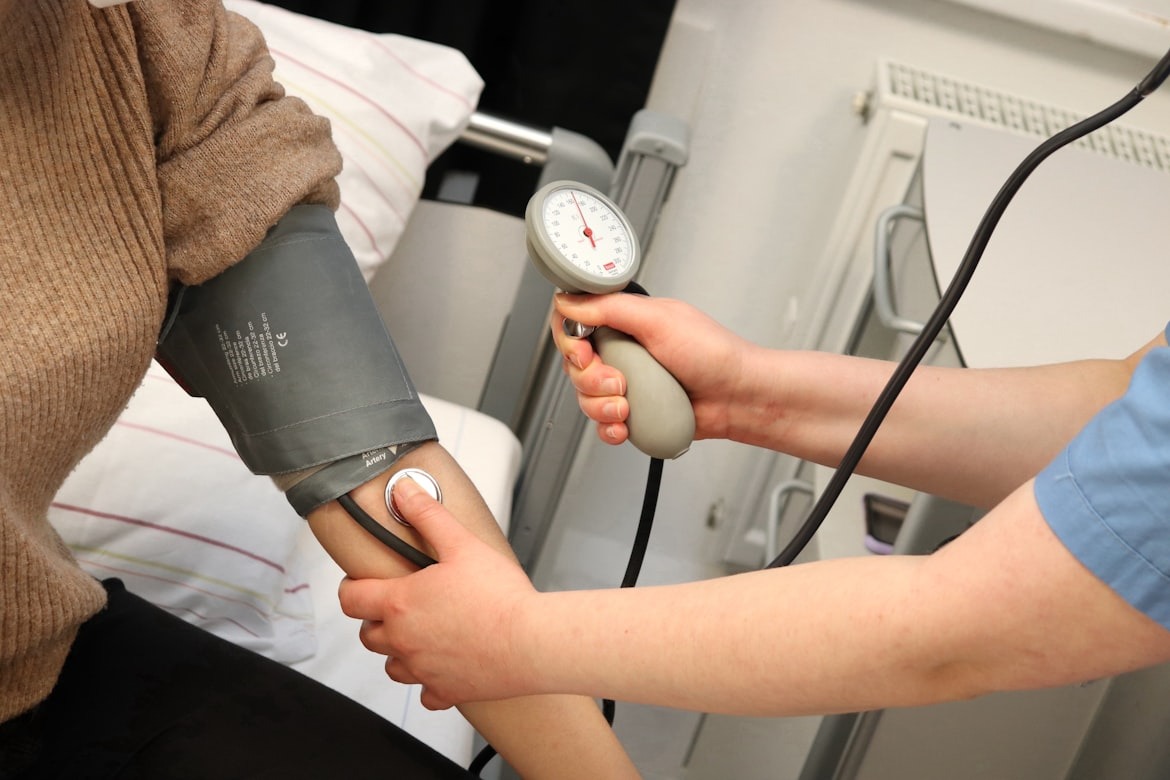
Introduction to the Nursing Department’s Mission
The nursing department is committed to the monumental task of preparing future nursing professionals who are not only skilled but also embody compassion in their practice. The core mission revolves around equipping students with the knowledge, skills, and ethical frameworks necessary to excel in diverse healthcare settings. By fostering a comprehensive understanding of nursing principles and practices, the department aims to cultivate a new generation of nurses capable of delivering exceptional patient care.
In today’s rapidly evolving healthcare landscape, the demand for proficient and compassionate nursing professionals has never been higher. Therefore, the nursing department emphasizes the importance of ethical practice in nursing. This encompasses not only adherence to established standards of care but also the commitment to lifelong learning and professional growth. Students are taught to recognize the ethical implications of their actions and to advocate for patients’ rights, ensuring that they provide culturally sensitive care tailored to individual needs.
The nursing department also sets forth specific goals to guide the educational journey of its students. These include fostering critical thinking and clinical decision-making abilities, enhancing communication skills, and promoting teamwork among healthcare professionals. By integrating theoretical knowledge with hands-on clinical experience, the department ensures that future nurses are well-prepared to navigate complex healthcare challenges.
Furthermore, the nursing department strives to create an inclusive educational environment that encourages collaboration among students, faculty, and community partners. Through partnerships with local healthcare institutions, students have opportunities to engage in meaningful clinical experiences. By immersing themselves in real-world scenarios, aspiring nurses develop the competence and confidence necessary to thrive in their future roles. This commitment to excellence in nursing education underscores the nursing department’s dedication to shaping competent healthcare providers who are ready to meet the demands of the profession.
The Holistic Approach to Nursing Education
The holistic approach to nursing education is fundamentally transformative, aiming to cultivate well-rounded healthcare professionals equipped with the necessary skills for their future practice. This method emphasizes the integration of theoretical knowledge with practical, hands-on clinical training, which is essential in enabling nursing students to bridge the gap between classroom learning and real-world application. By fostering a comprehensive understanding of healthcare, this approach ensures that graduates are not only knowledgeable in medical concepts but also adept in handling various real-life healthcare situations.
At the core of this educational model is the belief in treating students as whole individuals. Nursing programs that implement a holistic framework prioritize the development of critical thinking, empathy, and effective communication alongside clinical competencies. This dual focus empowers students to understand and appreciate the various dimensions of patient care, including emotional, social, and cultural factors that affect health outcomes. Such an understanding is crucial in today’s diverse healthcare landscape, where the ability to connect with patients on multiple levels greatly enhances the quality of care provided.
Furthermore, the integration of clinical training within the nursing curriculum allows students to apply theoretical concepts in practical settings, ensuring that they gain invaluable experience. This experiential learning fosters confidence and competence, as students engage with real patients and health scenarios under the supervision of seasoned professionals. By participating in simulations, internships, and community health initiatives, nursing students develop a practical skill set and an understanding of their professional responsibilities.
In summary, the holistic approach to nursing education combines academic rigor with experiential learning to prepare future nurses adequately. By nurturing both theoretical knowledge and practical skills, nursing programs can empower their graduates to respond effectively to the complexities of patient care, ultimately enhancing the quality of healthcare services delivered to the community.
Core Competencies in Nursing
Nursing education plays a pivotal role in shaping proficient healthcare professionals equipped to meet the diverse needs of patients. At the heart of this educational journey lies a set of core competencies that every nursing student must master. These competencies serve as the foundation for delivering high-quality patient care and ensure that nurses are prepared for the challenges they will face in clinical settings.
One of the primary core competencies is patient assessment. This involves the systematic collection and analysis of patient data to determine their healthcare needs. Effective assessment skills enable nurses to identify potential health problems early, facilitating timely interventions. A thorough patient assessment encompasses physical examinations, patient histories, and observations, which collectively guide care planning and decision-making.
Another crucial competency is care planning, which involves developing a comprehensive and individualized plan to address the unique needs of each patient. This process requires critical thinking and the ability to collaborate with other healthcare providers. By effectively formulating care plans, nurses ensure that patients receive the appropriate interventions and resources necessary for their recovery and well-being.
Health promotion is also a key competency that nurses must embrace. This involves advocating for healthy lifestyle choices and educating patients about disease prevention. By empowering patients through knowledge and resources, nurses play a vital role in enhancing the overall health of communities. This focus on health promotion not only helps individuals but also contributes to the sustainability of healthcare systems by reducing the incidence of chronic diseases.
In conclusion, mastering these core competencies is essential for nursing students. By honing skills in patient assessment, care planning, and health promotion, future nurses can significantly impact patient outcomes and contribute to the advancement of the nursing profession. Emphasizing these competencies during nursing education programs helps cultivate a workforce dedicated to excellence in patient care.
Fundamental Subjects in Nursing Education
Within nursing education, a robust curriculum is essential to prepare students for the complexities of their future roles. Among the fundamental subjects taught are anatomy, physiology, pharmacology, and medical ethics, each playing a crucial role in shaping well-rounded nursing professionals. These foundational subjects provide the necessary knowledge base that empowers future nurses to deliver high-quality patient care.
Anatomy serves as the cornerstone of nursing education, enabling students to understand the structure of the human body. A thorough comprehension of anatomy is vital as it allows nurses to identify potential health issues, assess injuries, and administer appropriate interventions efficiently. Coupled with anatomy, physiology delves into the functions of various body systems. By grasping physiological processes, nursing students can interpret vital signs, understand disease progression, and tailor patient care accordingly.
Pharmacology complements these subjects, offering insight into medications and their therapeutic effects. Knowledge of pharmacology equips nurses to administer drugs safely, monitor patient responses, and educate patients about medication adherence. It is imperative for nursing professionals to understand interactions between various medications, potential side effects, and the importance of a comprehensive medication history. This expertise not only enhances patient safety but also strengthens the overall quality of care provided.
Furthermore, medical ethics is an integral component of nursing education that fosters critical thinking and ethical decision-making. By exploring ethical principles, nursing students learn to navigate complex scenarios involving patient autonomy, privacy, and justice. This knowledge is crucial for developing compassion-driven care practices that respect the values and needs of patients. In sum, these foundational subjects collaborate to create a knowledgeable and ethically grounded nursing workforce, prepared to meet the evolving demands of health care.
Developing Essential Skills for Nursing Practice
The field of nursing requires a unique combination of essential skills, particularly in communication and critical thinking, both of which are vital for effective nursing practice. In the dynamic and often high-pressure environment of healthcare, the ability to communicate clearly with patients and collaborate effectively with multidisciplinary teams is paramount. These skills not only enhance patient care but also foster a cohesive working environment among healthcare professionals.
Throughout nursing education, students are actively engaged in various learning experiences designed to develop these critical competencies. Communication skills are nurtured through interactive simulations, role-playing scenarios, and group projects, allowing students to practice delivering information and receiving feedback. Effective communication encompasses not only verbal exchanges but also non-verbal cues, such as body language and active listening, which are essential in understanding patient needs and concerns.
In parallel, the cultivation of critical thinking abilities enables nursing students to assess complex situations and make informed decisions. This skill is developed through case studies, clinical placements, and problem-solving exercises that challenge students to evaluate patient information, identify potential complications, and devise appropriate interventions. Critical thinking empowers future nurses to not only follow established protocols but also to adapt their approaches based on unique patient circumstances and emerging healthcare trends.
The integration of communication and critical thinking in nursing education creates a robust foundation for effective practice. When nurses are equipped with these essential skills, they can enhance collaboration within healthcare teams, leading to improved outcomes for patients. Ultimately, the commitment to nurturing these skills throughout the nursing program reflects a dedication to excellence in nursing education, ensuring that graduates are well-prepared to meet the challenges of the profession.
Hands-On Clinical Training: Real-World Experience
Hands-on clinical training is a cornerstone of nursing education, providing students with invaluable real-world experience that is vital for their professional development. Clinical placements offer future nurses the opportunity to apply theoretical knowledge in practical settings, reinforcing their education and preparing them for the multifaceted nature of patient care. Such experiential learning is facilitated in diverse environments, including hospitals, community health centers, and specialized care facilities, each contributing uniquely to a nurse’s training.
Within hospitals, students are immersed in fast-paced environments where they can observe and participate in various clinical procedures under the supervision of experienced clinicians. This exposure helps them to develop essential skills, such as communication, critical thinking, and decision-making, all of which are crucial for effective nursing practice. Furthermore, community health centers provide students with insights into public health initiatives and community-based care, allowing them to understand the broader scope of health beyond the hospital walls. Here, they can engage with diverse populations, enhancing their cultural competency and ability to address the unique health needs of various communities.
Specialized care facilities, such as rehabilitation centers or long-term care homes, further enrich students’ education by allowing them to focus on particular areas of nursing. In such settings, they learn to handle complex patient cases, fostering a deeper understanding of chronic illness management and palliative care strategies. The breadth of experiences gained from different clinical placements equips nursing students with a well-rounded perspective that is essential for modern medical practice.
Ultimately, hands-on clinical training not only cultivates the technical skills needed for effective nursing but also instills the confidence necessary to navigate the demands of this profession. By engaging in varied clinical experiences, future nurses emerge more competent and compassionate, ready to meet the challenges of patient care head-on.
Supervision and Mentorship in Clinical Placements
In the realm of nursing education, the importance of supervision and mentorship during clinical placements cannot be overstated. As nursing students transition from theoretical knowledge to practical application, the guiding presence of experienced practitioners is vital in shaping their professional development. Supervision is not merely about oversight; it is an integral component of the educational process, ensuring that students not only gain hands-on experience but also receive valuable feedback that aids in their growth.
Mentorship plays a crucial role in fostering confidence within nursing students. When paired with a seasoned nurse, students are afforded the unique opportunity to learn from someone who has navigated the complexities of patient care, clinical procedures, and the ethical dilemmas that frequently arise in practice. This relationship encourages students to engage in reflective learning, which is essential for developing critical thinking and problem-solving skills. Mentors can share their insights, best practices, and personal experiences, providing students with a more comprehensive understanding of the nursing profession.
Moreover, mentorship contributes to a student’s emotional and psychological well-being. The transition from classroom to clinical settings can be daunting, and having a mentor offers students a source of support and encouragement during challenging moments. This guidance helps to alleviate anxiety and builds resilience, ultimately leading to a more confident and competent nursing workforce.
Furthermore, the dynamics of mentorship extend beyond the supervisor-student relationship. As nursing professionals dedicate their time to mentoring, they also enhance their own clinical leadership skills. This symbiotic relationship benefits both parties and fortifies the foundation of nursing education. In summary, effective supervision and mentorship during clinical placements are paramount in the journey of aspiring nurses, empowering them to excel in their future careers through enhanced learning, confidence, and professional preparedness.
Career Opportunities for Nursing Graduates
The field of nursing offers a vast array of career opportunities for graduates, reflecting the diverse needs of healthcare systems worldwide. Upon completion of a nursing program, graduates can pursue roles in various settings, including hospitals, clinics, home healthcare agencies, and public health institutions. Each of these environments presents unique challenges and rewards, enabling nurses to tailor their careers according to their interests and the needs of the communities they serve.
Within hospitals, nursing graduates can specialize in critical care, pediatrics, geriatrics, and many more disciplines, allowing them to gain expertise in high-demand areas of healthcare. The high acuity environments of hospitals often require quick thinking and adaptability, skills that nursing education programs are designed to reinforce. In outpatient clinics, nurses often focus on preventative care, patient education, and chronic disease management, providing essential support to improve patient outcomes.
Home healthcare is another growing field, where nurses provide personalized care directly in patients’ homes, catering to those with chronic illnesses or those recovering from surgery. This role is integral in promoting health, promoting independence, and enhancing the quality of life for patients. Furthermore, the role of nurses in public health institutions cannot be overlooked. Here, they are involved in health education, community outreach, and disease prevention initiatives, working toward better health outcomes for populations.
Nursing programs are specifically designed to equip graduates with the knowledge and skills needed to navigate and respond to complex healthcare challenges. As healthcare continues to evolve, the demand for skilled nursing professionals who can adapt to new technologies and methodologies increases. By providing a solid foundation in both clinical and theoretical aspects of nursing, educational programs empower graduates to make significant contributions to the health and well-being of their patients and communities.
Conclusion: The Future of Nursing Education
As we reflect on the journey of nursing education, it becomes evident that the commitment to excellence remains at the core of our nursing program. The nursing department consistently strives to develop a curriculum that not only imparts essential knowledge but also fosters the development of critical thinking and clinical skills among future nurses. This approach ensures that graduates are not only well-prepared but also adaptable to the ever-evolving landscape of healthcare.
Moreover, the significance of nurturing capable and compassionate caregivers cannot be overstated. In a world that is increasingly complex, the role of nurses extends beyond clinical proficiency; it encompasses empathy, effective communication, and holistic care. Our nursing program emphasizes these aspects, equipping students with the necessary tools to address the diverse needs of patients. By fostering both the technical and humanistic elements of nursing, we are preparing future professionals who can provide high-quality care in various settings, thereby positively impacting patient outcomes.
Furthermore, ongoing development is integral to our mission. Continuous learning opportunities, hands-on clinical experience, and collaboration with healthcare professionals are fundamental components of our program. These elements allow nursing students to engage with real-world scenarios, adapt to new technologies, and stay abreast of best practices in nursing. By embracing lifelong learning, we are cultivating a workforce that is not only competent but also committed to enhancing patient care as healthcare evolves.
In conclusion, the future of nursing education is bright, grounded in a steadfast commitment to excellence. By nurturing skilled and compassionate caregivers, our nursing department plays a pivotal role in shaping the future of healthcare—one that is characterized by its ability to meet the dynamic needs of society. Together, we can empower our future nurses to excel and respond effectively to the challenges of tomorrow’s healthcare environment.