
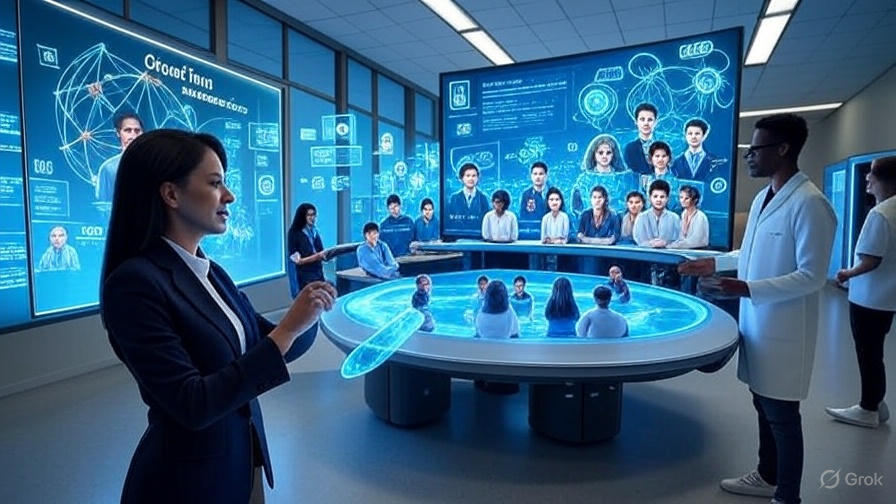
Introduction to the Metaverse
The metaverse represents a collective virtual space, a convergence of the physical and digital realms that has garnered significant attention in recent years. Originally coined in Neal Stephenson’s 1992 novel “Snow Crash,” the term has evolved to encompass a wide array of immersive experiences facilitated by advancements in technology. At its core, the metaverse is envisioned as an expansive network of 3D virtual environments where users can interact with each other and digital assets in real time, blurring the lines between reality and digital interaction.
The significance of the metaverse lies not only in its technological innovations but also in its potential to revolutionize various sectors, including gaming, education, real estate, and social networking. As more companies invest in creating engaging virtual experiences, the metaverse is becoming increasingly vital to how individuals socialize, learn, and conduct business. Recent trends indicate a rapid growth in virtual reality (VR) and augmented reality (AR) applications, which are integral to the development of immersive digital environments. The rise of cryptocurrencies and blockchain technology further enhances the allure of the metaverse, enabling creative ownership of digital content through non-fungible tokens (NFTs).
As interest in the metaverse expands, it is essential to recognize how this virtual landscape fosters creativity, collaboration, and innovation. The integration of advanced technologies facilitates diverse experiences that cater to the needs and preferences of users—from virtual concerts and art exhibitions to immersive training programs. The metaverse serves as a gateway, inviting individuals to explore uncharted territories of digital creativity while simultaneously challenging traditional concepts of interaction and engagement. The ongoing exploration of the metaverse promises to reshape our understanding of connectivity in a digital age, highlighting its enduring relevance in contemporary society.
Understanding Immersive Digital Environments
Immersive digital environments are transformative spaces that leverage technology to provide users with interactive and engaging experiences. This encompassing term includes virtual reality (VR), augmented reality (AR), and mixed reality (MR), each diverging in its functionalities and applications. They share a common goal: to create a sense of presence and immersion that traditional digital experiences often lack.
Virtual reality is one of the most recognized forms of immersive environments. It utilizes headsets and controllers to transport users into entirely computer-generated worlds. This immersive experience is marked by a 360-degree view and spatial audio, enabling users to engage with their surroundings interactively. The applications of VR are vast, including gaming, training simulations, and virtual tours, offering unparalleled experiences that mimic real-life interactions.
Augmented reality, in contrast, overlays digital content onto the physical world. It utilizes devices such as smartphones, tablets, or AR glasses to augment one’s real-life environment with interactive digital elements. For instance, applications like Pokémon GO exemplify how AR can blend digital characters with the user’s surroundings, providing an engaging layer to physical interactions. AR is increasingly being utilized in sectors like retail and education as it enhances user experiences through interactive applications.
Mixed reality further bridges the gap between VR and AR by allowing digital content to interact with the physical world in real time. It provides a more complex and intuitive environment where users can manipulate both digital and real objects simultaneously. Mixed reality has potential applications in fields such as healthcare, where it can enhance surgical training, and in design, where architects can visualize their projects in real environments.
In summary, immersive digital environments encompass a spectrum of experiences from purely virtual to enhanced realities, each offering unique functionalities and applications that revolutionize how users interact with digital content. Understanding these technologies is crucial for harnessing their full potential in various domains.
The Intersection of Creativity and Technology
The metaverse represents an extraordinary convergence of creativity and technology, serving as a platform where imaginative concepts and digital tools intertwine to create immersive experiences. This synergy allows artists, developers, and users to collaborate in unprecedented ways, advancing both fields and broadening the possibilities for digital expression. One of the most prominent examples of this intersection can be seen in the gaming industry, where developers harness cutting-edge graphics, artificial intelligence, and virtual reality to craft intricate worlds that captivate players and encourage user-generated content. Games such as “Fortnite” and “Roblox” not only provide immersive gameplay but also foster creativity by allowing players to design their own experiences within the digital realm.
In addition to gaming, the metaverse has transformed the art world, enabling artists to explore new mediums and reach wider audiences. Digital art forms, including animation, 3D modeling, and virtual exhibitions, are thriving within virtual spaces. Platforms like “Decentraland” and “CryptoVoxels” empower artists to showcase and sell their work, redefining traditional art markets. The rise of non-fungible tokens (NFTs) further exemplifies how technology enhances creativity, allowing digital creations to be tokenized and owned in unique ways, promoting both artistic integrity and potential revenue streams.
Moreover, social experiences within the metaverse benefit from this creative-technical fusion as well. Virtual meetups, concerts, and exhibitions leverage advanced audio-visual technologies to create engaging environments that enhance human interaction. Tools such as motion capture and augmented reality provide users with new ways to connect, blurring the line between virtual and physical experiences. As creativity continues to drive technological advancements, and vice versa, the potential for innovative applications in the metaverse is virtually limitless.
Educational Opportunities in the Metaverse
The integration of the metaverse into educational curricula represents a transformative approach to learning, allowing students to engage with content in ways that traditional education cannot replicate. The immersive nature of the metaverse facilitates experiential learning, enabling students to explore simulated environments that exemplify complex concepts across various disciplines. For instance, in subjects such as history, students can virtually visit ancient civilizations, while biology learners can study ecosystems by interacting with digital replicas of habitats.
One of the significant advantages of learning within immersive environments is the opportunity for active participation. Students can acquire skills such as critical thinking, problem-solving, and collaboration by engaging in virtual simulations and group projects that mirror real-world challenges. Additionally, the metaverse fosters a unique space for experiential learning through gamified elements that enhance motivation and retention of knowledge. This interactivity allows learners to connect theoretical concepts with practical applications, which is essential in today’s workforce.
Moreover, the skills acquired in the metaverse are of utmost relevance. As industries increasingly adopt digital solutions, proficiency in navigating virtual platforms becomes an asset. Students exposed to such environments will better understand emerging technologies, digital communication, and virtual collaboration, thereby preparing them for future job prospects. Potential career paths could include roles in education technology, digital media, or virtual event management, among others. As educational institutions embrace the metaverse, it is imperative to ensure that curricula not only include immersive experiences but also a framework for translating these experiences into tangible career opportunities.
The Role of Innovation in Shaping the Metaverse
The metaverse represents an evolving digital landscape characterized by immersive, interactive environments that blend the physical and virtual worlds. Central to its development is the wave of technological innovations that are continuously shaping how users interact within these digital realms. From augmented reality (AR) to virtual reality (VR) and blockchain technology, these advancements are driving the metaverse’s growth and accessibility.
Platforms such as Roblox and Fortnite have pioneered user-generated content in their ecosystems, showcasing how innovation can transform traditional gaming experiences into expansive metaverse environments. These platforms allow users to create their own games, environments, and experiences, effectively turning players into content creators. This evolution signifies a shift not just in gameplay, but also in the social dynamics that define how digital communities interact and collaborate.
Furthermore, advancements in AR technology have opened new avenues for businesses and educators, integrating digital information and experiences into real-world settings. For instance, initiatives such as the use of AR in retail enable consumers to visualize products in their homes before making a purchase. This not only enhances the customer experience but also solidifies the notion of the metaverse as a multifaceted space where commerce, education, and social interactions converge.
Additionally, blockchain technology is playing a vital role by ensuring decentralized ownership and provenance of digital assets such as non-fungible tokens (NFTs). As individuals and organizations begin to assert ownership of virtual goods, this technological foundation solidifies the economic aspects of the metaverse, potentially reshaping how value is exchanged in a digital economy.
In summary, the interplay of innovation across various technologies is crucial in shaping the metaverse. As these innovations continue to evolve, they will unlock new possibilities, fostering an expansive and diverse digital environment that transcends traditional boundaries.
Challenges and Ethical Considerations
The emergence of the metaverse heralds a new era of immersive digital environments, yet it also raises significant challenges and ethical considerations that necessitate careful examination. One pressing issue is the concern surrounding user privacy. As individuals engage in these expansive virtual spaces, vast amounts of personal data are generated and collected. This data can be vulnerable to misuse, and without stringent measures in place, individuals risk having their privacy compromised. It is critical that developers and stakeholders prioritize user consent and data protection to foster trust within the metaverse.
Accessibility is another challenge that must be addressed. The complexity of immersive technologies can create barriers for marginalized groups, including individuals with disabilities and those lacking access to high-quality internet or advanced devices. For the metaverse to truly be inclusive, it must strive to provide equitable access and experiences that cater to diverse populations. Organizations should work collaboratively to establish standards and best practices that enhance accessibility for all users.
Digital equity becomes paramount in discussions about the metaverse, as disparities in technology access may exacerbate existing inequalities in society. Socioeconomic factors can lead to a digital divide, where only a privileged few can fully participate in these rich virtual environments. It is crucial that creators and policymakers engage in dialogue aimed at addressing these gaps, ensuring that the benefits of the metaverse extend beyond a select group of users.
Moreover, ethical considerations surrounding user interactions in the metaverse are of immense importance. Issues such as harassment, virtual property rights, and the permanence of digital actions must be navigated with care. Creating a safe and respectful atmosphere requires robust community guidelines and moderation practices that promote positive interactions while discouraging harmful behavior. Establishing a strong ethical framework is essential for fostering a welcoming environment within the metaverse.
Career Paths in the Metaverse
The metaverse, a vast digital landscape that merges augmented reality, virtual reality, and the internet, has opened up a plethora of career opportunities for individuals seeking to carve a niche in this innovative space. As industries adapt to this immersive environment, various roles are emerging that require a mix of technical skills, creativity, and a deep understanding of user experience. Key career paths include content creation, software development, and design, each offering unique contributions to the formation of metaverse experiences.
Content creators play a pivotal role in the metaverse by developing engaging narratives and interactive experiences. These professionals, including writers, artists, and filmmakers, utilize tools and platforms designed for virtual environments to deliver compelling stories that captivate audiences. A strong grasp of storytelling techniques, alongside proficiency in digital tools, is essential for success in this domain.
Software development is another vital sector within the metaverse. This field encompasses programmers and engineers who design and build the infrastructure that supports virtual environments. Proficiency in coding languages such as JavaScript, C#, and Python is crucial, alongside familiarity with game engines and VR/AR frameworks. Developers are responsible for ensuring seamless experiences, making their skills integral to the metaverse’s functionality.
Design roles, particularly in user interface (UI) and user experience (UX) design, are increasingly significant within the metaverse. Designers must create intuitive, accessible, and aesthetically pleasing interfaces that enhance user interaction with virtual spaces. Candidates are expected to possess a strong understanding of design principles, as well as expertise in graphic design software and user research methodologies.
As the metaverse continues to evolve, emerging careers will likely encompass areas such as community management, digital marketing, and educational roles. These opportunities require adaptability and a willingness to stay updated with the fast-changing landscape of technology and user expectations. Thus, aspiring professionals should focus on building relevant skills and knowledge to excel in this burgeoning field.
Case Studies of Successful Metaverse Applications
The metaverse has emerged as a dynamic platform, offering numerous applications across various sectors. This section presents key case studies that exemplify successful integrations of immersive digital environments in diverse industries. One striking example is the gaming industry, with titles like “Fortnite” leading the way in creating a vast, interactive space where players can engage in unique experiences. Epic Games, the developer behind Fortnite, has leveraged the metaverse to host live concerts and events, engaging millions of users simultaneously while offering virtual merchandise sales. This demonstrates not only the entertainment potential of the metaverse but also its capacity for innovative monetization strategies.
In the realm of real estate, companies have begun utilizing metaverse platforms for virtual property showings. Real estate firm Matterport has developed immersive 3D models of properties, allowing potential buyers to navigate spaces remotely. This application represents a transformative shift, providing prospective buyers with engaging experiences that transcend traditional methods. Through virtual reality headsets or smartphones, users can explore properties from the comfort of their homes, thereby streamlining the buying process and enhancing accessibility.
Education is another industry seeing significant advancements through the metaverse. Platforms like AltspaceVR are facilitating immersive learning experiences by enabling virtual classrooms where students worldwide can interact with educators and peers. This innovative approach not only fosters collaboration but also creates a more inclusive learning environment, breaking geographical barriers that often hinder traditional education. Schools and universities are increasingly adopting virtual locations for remote learning, allowing for a richer educational experience that utilizes interactive elements synonymous with the metaverse.
In conclusion, the case studies highlighted illustrate how various industries have harnessed the metaverse to create engaging and efficient applications. As organizations continue to explore these immersive environments, the potential for further innovation remains vast, paving the way for future developments within the metaverse.
Conclusion: The Future of the Metaverse
The evolution of the metaverse represents a significant shift in how individuals interact, create, and experience digital environments. Throughout this blog post, we have examined various aspects of the metaverse, from its technological underpinnings to its potential applications in areas such as entertainment, education, and commerce. The rich tapestry of immersive experiences that the metaverse promises is not merely a technological advancement; it is a transformative platform that redefines human connection and creativity.
As we look to the future, it is clear that the metaverse will continue to develop, driven by advancements in virtual reality (VR), augmented reality (AR), and blockchain technologies. This convergence of different technologies is expected to foster unparalleled levels of interaction among users, blurring the lines between physical and digital spaces. Developers are likely to push the boundaries of creativity, resulting in unique experiences that cater to the diverse needs and preferences of users.
Furthermore, the social implications of the metaverse cannot be overlooked. As it expands, the metaverse has the potential to create new forums for communication and collaboration. Individuals can forge relationships and engage with communities that transcend geographical limitations, facilitating a sense of belonging and shared purpose. This paradigm shift serves to democratize access to creative and social spaces, encouraging participation from various demographics around the globe.
In conclusion, as the metaverse continues to evolve, it will become increasingly vital for stakeholders—including developers, policymakers, and users—to engage in discussions about its ethical implications and the responsibilities that arise within this new digital frontier. The metaverse is not merely a technological phenomenon, but a catalyst for reshaping our understanding of creativity, connection, and community in an increasingly digital age.